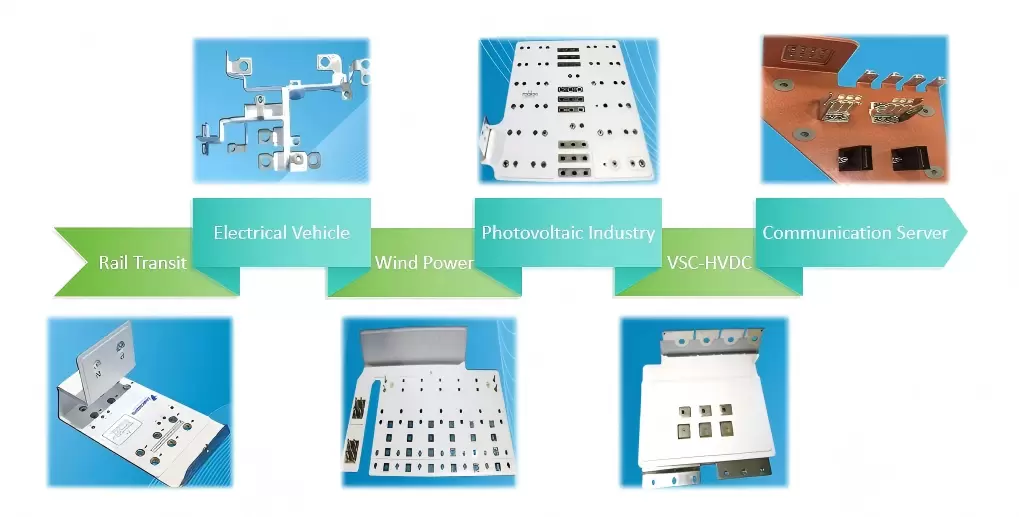
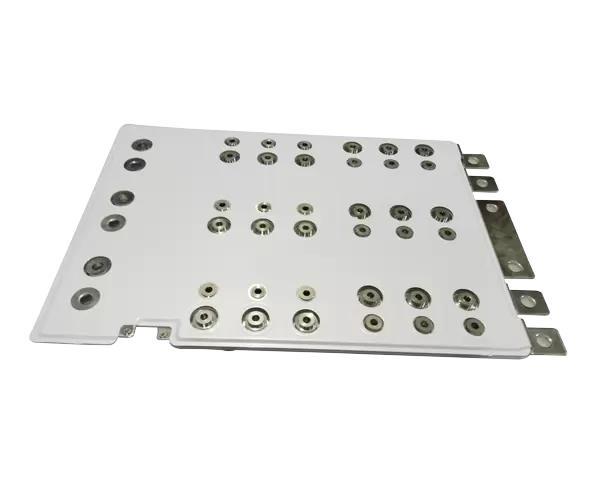
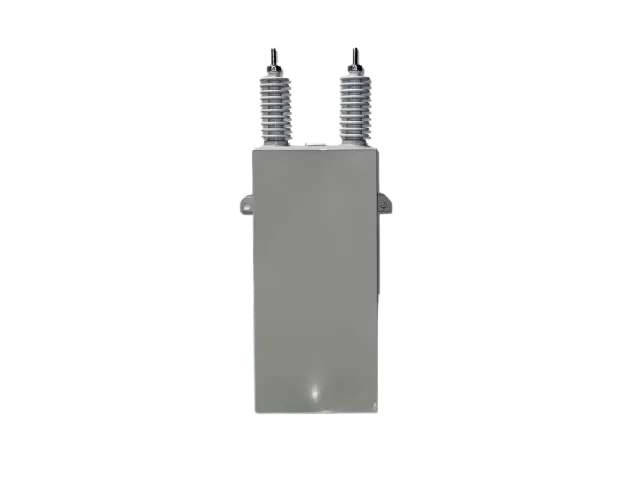
High voltage direct current (HVDC) systems are increasingly critical in modern power transmission, particularly in renewable energy, long-distance grids, and industrial automation. Achieving optimal power density in these systems requires precise integration of high voltage solid state switching devices, advanced thermal management, and intelligent control strategies. Sun.King Technology, with over two decades of expertise in power electronic devices and HVDC solutions, provides an operational roadmap for engineers and system designers to maximize performance, efficiency, and reliability.
Enhancing Power Density through Advanced Switching Topologies
High voltage solid state switching devices form the backbone of modern HVDC converters. Sun.King’s R&D teams leverage modular multilevel converter (MMC) topologies and insulated-gate bipolar transistors (IGBTs) optimized for high power density. Key considerations include:
Switching Frequency Optimization: Increasing switching frequency reduces passive component size, allowing denser circuit integration without compromising efficiency. Sun.King’s devices operate reliably at elevated frequencies, enabling compact HVDC modules.
Paralleling and Redundancy: Modular parallel arrangements allow higher current handling, while ensuring redundancy. This design approach increases overall system power density while mitigating failure risks.
Minimizing Conduction Losses: Advanced semiconductor materials, including silicon carbide (SiC) and high-voltage IGBTs, reduce on-state resistance and heat generation, directly contributing to higher power density.
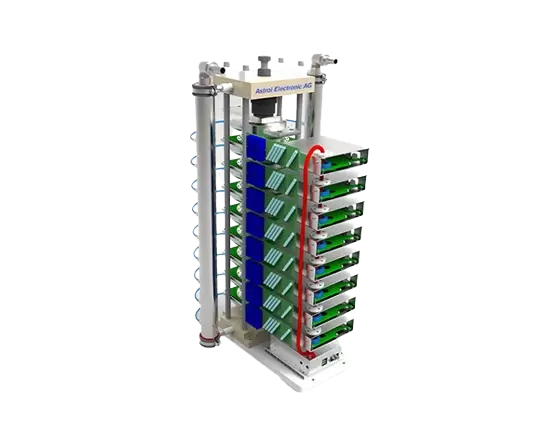
Thermal Management Strategies for High Density HVDC Modules
Effective heat dissipation is a critical factor in maintaining high power density. Sun.King applies multiple strategies to balance compact design with thermal reliability:
Liquid Cooling Integration: Embedded liquid channels in HVDC modules efficiently remove heat from high-power semiconductors.
Phase-Change Materials: Innovative thermal interface materials stabilize temperature spikes during peak load conditions.
Real-Time Thermal Monitoring: Distributed temperature sensors allow active cooling control, preventing hotspots and enabling denser packing of power modules.
According to IEEE Power Electronics Society, properly managed thermal environments can enhance semiconductor module life by up to 40%, making thermal design a direct contributor to both power density and system longevity.
Optimizing Control Systems for Maximum Efficiency
Beyond hardware, intelligent control algorithms play a key role in HVDC system optimization. Sun.King integrates advanced digital control platforms that monitor switching states, voltage levels, and current harmonics in real-time. Key techniques include:
Pulse Width Modulation (PWM) Tuning: Fine-tuned PWM reduces switching losses and electromagnetic interference while maximizing throughput.
Dynamic Load Balancing: Real-time redistribution of power among MMC cells prevents localized overloading, supporting higher overall density.
Predictive Maintenance Integration: Leveraging big data from sensor arrays allows early detection of inefficiencies or faults, maintaining optimal operation without downtime.
Modular and Scalable HVDC Designs
A major contributor to increased power density is modular system architecture. Sun.King’s HVDC modules are designed for:
Stacked Configurations: Modules can be vertically or horizontally stacked, reducing footprint while maintaining voltage handling capability.
Interchangeable Components: Standardized MMC cells and switching modules simplify replacement and scalability.
Flexible Integration with Renewable Sources: Wind, solar, and hybrid power plants benefit from modular HVDC that adapts to varying input profiles while maintaining high power density.
Industry data suggests modular HVDC systems reduce required converter footprint by 25–30% compared to traditional designs, without compromising reliability.
Safety, Reliability, and Compliance Considerations
Optimizing power density must not compromise safety or compliance. Sun.King ensures all HVDC modules meet international standards, including IEC 61850, IEEE 1377, and ISO 9001 certification. Key aspects:
Dielectric Strength Verification: High-voltage insulation and spacing are rigorously tested to prevent arc-over.
Redundant Protective Circuits: Overvoltage, overcurrent, and temperature protection circuits safeguard dense module designs.
Electromagnetic Compatibility (EMC): Careful layout and shielding prevent high-frequency interference despite high switching density.
Industry Benchmarks and Performance Metrics
Sun.King’s HVDC modules demonstrate power density exceeding 3.5 MW/m³ for typical utility-scale installations, with efficiency rates above 99% under steady-state operation. Key benchmarks include:
Switching Frequency: Up to 10 kHz for IGBT and SiC modules
Thermal Rise: Maintained below 70°C in full-load operation
Module Footprint: Compact designs reduce space requirement by 20–30% compared to traditional HVDC converters
These figures underscore the importance of integrating solid-state switching with advanced thermal management and modular architectures.
FAQ: High Voltage Solid State Switching in HVDC
Q1: How can power density be increased without risking overheating?
A1: Combining high-frequency switching, SiC devices, and liquid cooling ensures dense packing while maintaining safe operating temperatures.
Q2: Can modular HVDC systems be scaled for future capacity?
A2: Yes. Sun.King’s standardized MMC modules allow stacking or horizontal expansion without redesigning the converter core.
Q3: How does solid state switching compare to traditional thyristors?
A3: Solid state devices offer higher switching speeds, lower conduction losses, and easier integration into high-density designs.
Conclusion
Optimizing power density in HVDC systems requires a holistic approach, integrating high voltage solid state switching devices, thermal management, intelligent control algorithms, and modular architectures. Sun.King Technology’s decades of experience in R&D, manufacturing, and global deployment enable engineers to design compact, efficient, and reliable HVDC solutions suitable for renewable energy, smart grids, and industrial automation. By following these principles, power system operators can maximize throughput, reduce footprint, and maintain high reliability, all while adhering to the strictest safety and compliance standards.