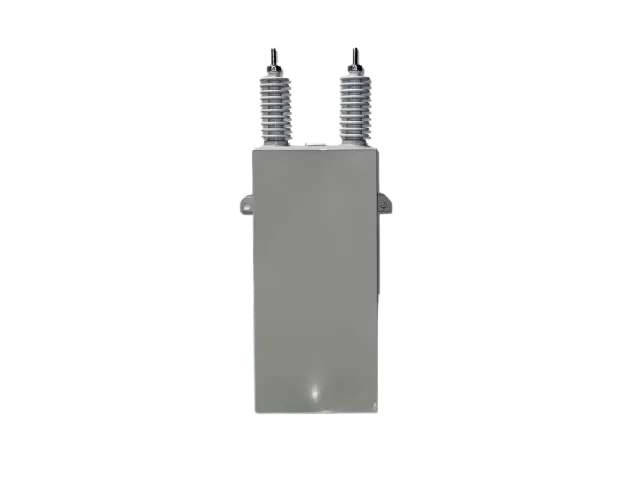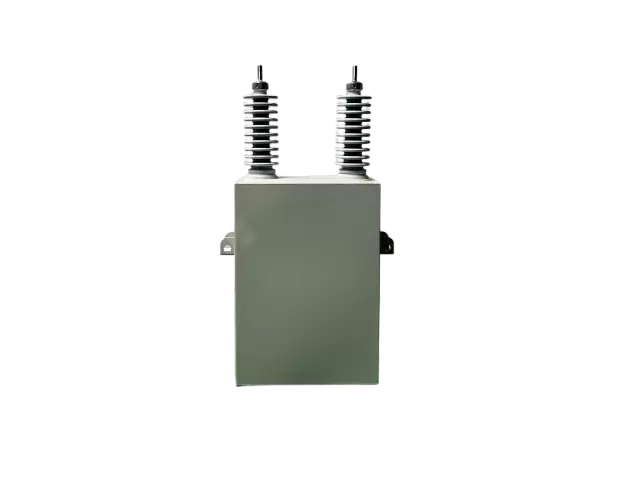
Selecting the right high power capacitors is critical for ensuring stability, efficiency, and safety in renewable energy systems and rail transit projects. These applications demand capacitors that can withstand high voltage, frequent load cycling, and harsh environmental conditions. A poorly chosen capacitor can lead to system inefficiencies, premature failure, and costly downtime, directly affecting energy output or transit reliability.
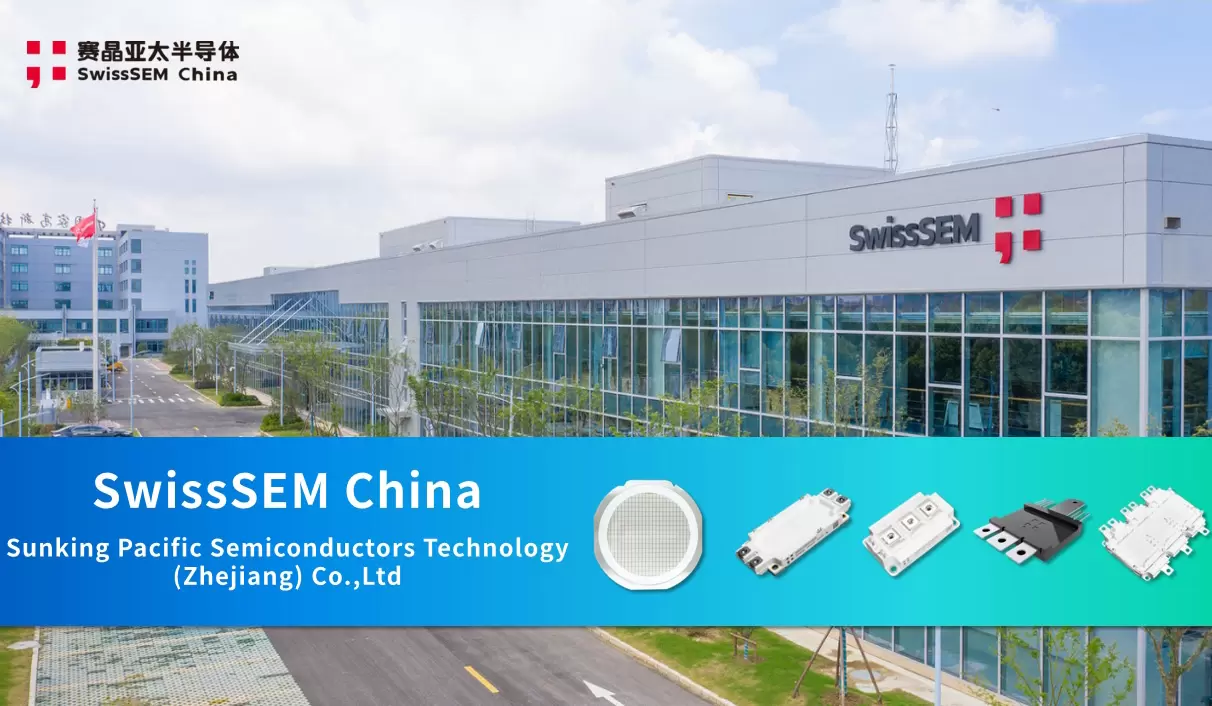
Sun.King Technology, a leading supplier of power electronic devices and system integration solutions, leverages nearly two decades of expertise in high-voltage capacitor design, R&D, and manufacturing. With ISO9001, ISO14001, and OHSAS18001 certifications, automated high-voltage assembly lines, and over 260 patents, Sun.King Technology ensures consistent quality, long-term reliability, and scalable supply for global projects.
This guide presents a technical buyer’s checklist to identify and procure high power capacitors capable of meeting the rigorous demands of renewable energy installations and modern rail transit systems.
1. Voltage Rating and Dielectric Selection
Capacitor voltage rating is the first criterion to consider:
Continuous Operating Voltage (COV): The capacitor should tolerate the maximum system voltage without breakdown. For HVDC or high-voltage renewable energy applications, ratings typically range from 600V to 1500V or higher.
Impulse Voltage Tolerance: Rail transit and energy systems may experience voltage spikes. Capacitors must withstand short-term overvoltages to prevent insulation failure.
Dielectric Material: High power capacitors often use polypropylene or film-paper impregnated dielectrics due to excellent dielectric strength, low losses, and high thermal stability. Sun.King Technology’s R&D centers in Jiashan, Wuxi, and Wuhan optimize dielectric compositions for high-voltage and high-frequency stability.
Proper voltage selection ensures capacitors operate safely over extended lifespans while maintaining energy efficiency.
2. Capacitance Tolerance and Stability
Capacitance accuracy and thermal stability impact system performance:
Tolerance Range: Tight tolerance capacitors (±5% to ±10%) provide predictable reactive power compensation in renewable energy systems and prevent voltage fluctuations in traction networks.
Temperature Coefficient: Capacitors used in outdoor solar, wind, or rail applications must maintain performance across wide temperature ranges. Sun.King’s capacitors undergo rigorous special type tests to verify performance under extreme thermal stress.
Frequency Response: Renewable energy converters and rail inverters operate at variable frequencies. Capacitors with stable capacitance across the expected frequency range improve system efficiency.
High-quality capacitors reduce losses, minimize harmonic distortion, and ensure smooth operation under dynamic loads.
3. Current Rating and Ripple Handling
Capacitors in power electronic systems must handle ripple current and load transients efficiently:
RMS Ripple Current: Exceeding the rated ripple current leads to excessive heating and dielectric degradation.
Load Cycling: Frequent current fluctuations in wind farms, solar inverters, and traction power systems require capacitors with high endurance for cyclic loads.
Low ESR Design: Low Equivalent Series Resistance minimizes self-heating, allowing higher current capacity and improved system reliability.
Sun.King’s automated production lines ensure precise winding, impregnation, and assembly to deliver capacitors with excellent ripple handling and minimal ESR variation.
4. Thermal Management and Environmental Robustness
Operating temperature directly affects capacitor lifespan and performance:
Self-Heating: High power capacitors generate heat during continuous operation. Proper heat dissipation is critical for reliability. Sun.King’s products feature optimized thermal designs and advanced cooling considerations.
Ambient Conditions: Rail transit projects may expose capacitors to vibrations, dust, humidity, and wide temperature ranges. Encapsulation and robust housing protect against mechanical and environmental stresses.
Temperature Testing: Third-party verified temperature cycle testing ensures capacitors maintain stability and insulation integrity over prolonged service life.
Effective thermal management reduces failure rates and ensures continuous operation in renewable and rail applications.
5. Mechanical Design and Reliability Features
Physical construction determines long-term reliability:
Vibration Resistance: Capacitors in rail vehicles must endure high vibration levels without structural failure. Sun.King’s capacitors incorporate reinforced housings and high-strength terminals.
Moisture Protection: Sealed or impregnated designs prevent water ingress, maintaining dielectric strength and insulation resistance.
Connection Terminals: Robust terminals with high conductivity and corrosion resistance ensure reliable electrical connections over years of service.
Mechanical integrity prevents operational interruptions and supports consistent energy delivery.
6. Procurement Checklist for Buyers
| Selection Factor | Key Considerations | Sun.King Advantages |
|---|
| Voltage Rating | Continuous voltage, impulse tolerance | Optimized dielectric for HVDC & AC systems |
| Capacitance | Tolerance ±5–10%, temperature stability | Tested under thermal cycling, low drift |
| Ripple Current | RMS rating, low ESR | Automated assembly ensures minimal ESR |
| Mechanical Robustness | Vibration, moisture, terminal reliability | Reinforced housing, corrosion-resistant terminals |
| Compliance | ISO9001, ISO14001, OHSAS18001 | Third-party verified type and special test reports |
| Supply Chain | Consistent raw material and component availability | Global subsidiaries, proven production scalability |
This table provides a clear, at-a-glance reference for engineers and procurement teams when evaluating capacitors for demanding projects.
7. Application-Specific Considerations
Renewable Energy Systems:
Capacitors support grid-tied inverters, reactive power compensation, and energy storage smoothing.
Emphasis on low ESR, thermal stability, and high ripple tolerance ensures efficient energy conversion.
Rail Transit Systems:
Capacitors operate in traction inverters, auxiliary power systems, and regenerative braking circuits.
Must withstand vibration, transient overvoltages, and extreme environmental conditions.
Selection Tip: Match capacitor specifications not only to voltage and capacitance requirements but also to operational environment and expected lifecycle.
8. FAQ: High Power Capacitors in Renewable Energy and Rail Transit
Q1: How do I determine the correct voltage rating for a capacitor?
Ensure the capacitor’s continuous operating voltage exceeds the system’s maximum voltage, and check impulse voltage tolerance for transient spikes.
Q2: What is the significance of ESR in high power capacitors?
Low Equivalent Series Resistance (ESR) reduces self-heating under ripple current, increasing efficiency and prolonging capacitor lifespan.
Q3: Can these capacitors withstand harsh environmental conditions?
Yes. Capacitors with sealed housings or impregnated dielectrics resist moisture, dust, vibration, and temperature extremes.
Q4: How important is thermal management?
Critical. Effective heat dissipation prevents dielectric degradation, maintains capacitance stability, and ensures long-term reliability under high load cycles.
Q5: Why choose Sun.King Technology capacitors over others?
Sun.King provides ISO-certified production, automated assembly, verified type testing, and proven supply to major grids, ensuring consistent quality, high reliability, and long-term performance.
9. Conclusion
Selecting high power capacitors for renewable energy systems and rail transit projects requires careful consideration of voltage rating, capacitance stability, ripple current handling, thermal performance, mechanical robustness, and verified compliance. Following a structured technical buyer’s checklist ensures optimal performance, minimizes failures, and extends operational life.
By choosing Sun.King Technology, engineers and procurement professionals benefit from advanced R&D, automated manufacturing, rigorous quality control, and reliable global supply, ensuring that capacitors meet the demanding requirements of modern energy and transportation infrastructure. With Sun.King capacitors, renewable energy projects and rail transit systems can achieve high efficiency, long-term stability, and reliable power delivery.